


Before Everyone Discovers It: The Eco-Tourism Goldmine of Timor-Leste
- Han Hui Tan
- Apr 3
- 6 min read

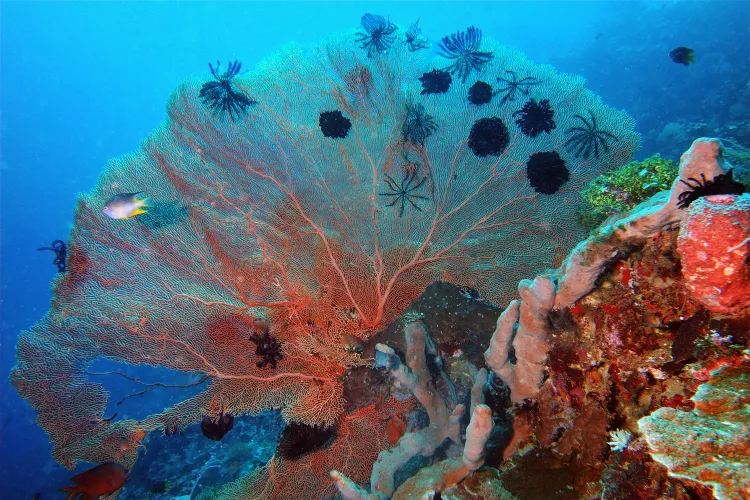



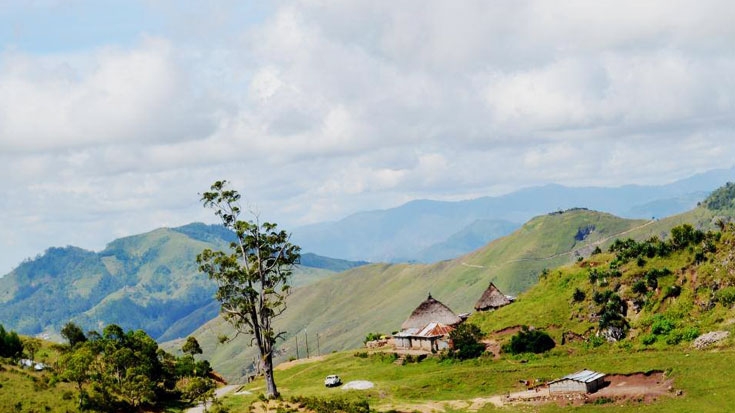

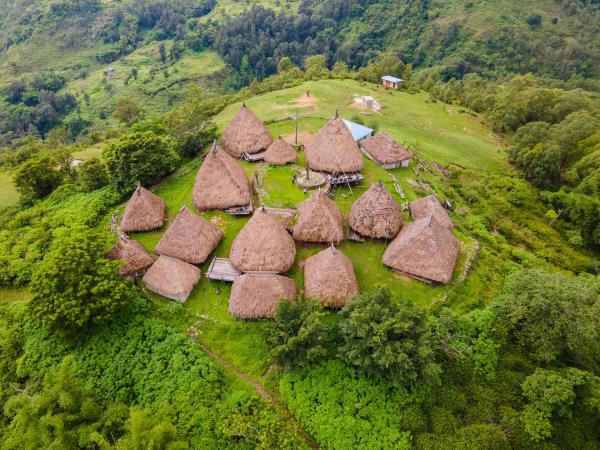
Image Sources: Xray-mag, Tripadvisor, WorldBank, Responsible Travel
Timor-Leste stands at a unique inflection point in Southeast Asia’s tourism evolution. While neighboring destinations have spent decades building mass tourism economies, Timor-Leste is entering the market at a different stage—one where sustainability, authenticity, and controlled development are no longer optional, but foundational.
For investors, operators, and policymakers, this distinction is critical. Timor-Leste is not attempting to replicate Bali, Phuket, or even Vietnam. Instead, it is gradually positioning itself as a frontier eco-tourism destination, where natural assets remain largely untouched and where the structure of the industry is still being defined.
This creates a rare window: the opportunity to participate not just in a growing sector, but in the formation of an entirely new tourism model.
A Natural Asset Base of Global Significance
At the core of Timor-Leste’s eco-tourism potential is its extraordinary natural environment. The country lies within the Coral Triangle, one of the most biologically diverse marine regions in the world. Its waters host extensive coral systems, migratory whale routes, and dense marine ecosystems that remain largely intact due to decades of underdevelopment.
Along the northern coastline, deep ocean trenches rise abruptly close to shore, allowing large marine species—including whales and dolphins—to pass within visible distance of land. Offshore, locations such as Atauro Island have gained recognition among divers for possessing some of the highest reef fish diversity recorded globally.
On land, the landscape transitions quickly from coastal plains to mountainous interiors. Areas surrounding Mount Ramelau offer trekking routes that combine ecological diversity with cultural significance, while rural regions preserve traditional lifestyles that have not yet been reshaped by commercial tourism.
This combination—marine biodiversity, mountainous terrain, and living cultural heritage—positions Timor-Leste as a multi-dimensional eco-tourism destination, rather than a single-product market.
An Industry Defined by What It Lacks—and What It Preserves
Unlike mature tourism economies, Timor-Leste’s eco-tourism sector is defined as much by what it lacks as by what it offers.
There are limited international-standard resorts, minimal tourism infrastructure outside key urban areas, and a relatively small number of commercial operators. At first glance, these gaps may appear as constraints. However, from a strategic perspective, they represent preserved optionality.
The absence of overdevelopment means:
Coastal ecosystems remain largely undisturbed
Marine environments retain high biodiversity density
Cultural experiences remain authentic rather than curated
In effect, Timor-Leste has avoided the common trajectory of tourism-led degradation. It is entering the market with assets that many established destinations are now attempting—often unsuccessfully—to restore.
The Emergence of a Controlled Eco-Tourism Model

Nam Dam Village of Ha Giang Province - A community-based eco-tourism destination in Vietnam.
Timor-Leste’s approach to tourism development is increasingly aligned with a controlled eco-tourism framework. Rather than pursuing rapid visitor growth, government agencies and international partners have emphasized:
Environmental protection measures
Community-based tourism participation
Operator training and certification
Responsible wildlife interaction guidelines
This model reflects a broader strategic intent: to build a tourism sector that generates economic value without compromising natural capital.
Community involvement plays a central role. In coastal and rural areas, tourism initiatives are often integrated with local livelihoods, ensuring that economic benefits are distributed beyond urban centers. This not only supports social stability but also reinforces environmental stewardship, as local communities become stakeholders in conservation outcomes.
Demand Trends: A Market Shifting Toward Nature and Authenticity
Globally, tourism demand is undergoing structural change. Increasingly, travelers are moving away from high-density, standardized experiences and toward destinations that offer:
Natural immersion
Cultural authenticity
Lower crowd density
Sustainable travel options
Timor-Leste aligns closely with these emerging preferences. Its positioning is particularly attractive to:
European long-haul travelers seeking unexplored destinations
Australian regional travelers looking for alternative nature experiences
Niche segments such as divers, researchers, and eco-tourists
While current visitor numbers remain low, growth rates are accelerating as awareness increases and connectivity improves. This suggests that the country is entering the early stages of demand discovery, where visibility expands faster than supply.
Investment Opportunities Across the Eco-Tourism Value Chain
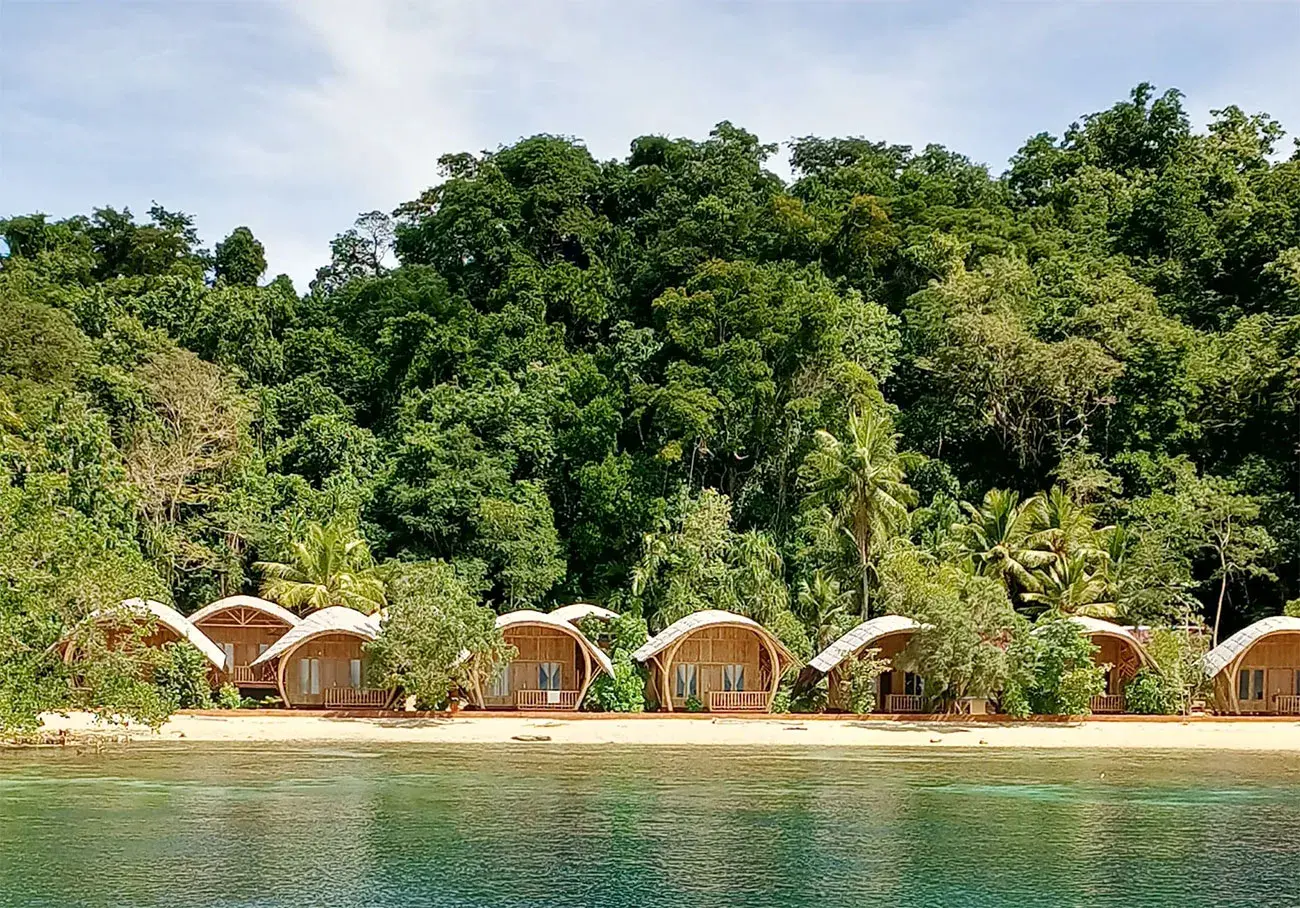




Image Sources: Bluewaterdivetravel, BBC, CNN
From an investment perspective, Timor-Leste’s eco-tourism sector is not a single opportunity but a layered value chain with multiple entry points.
Hospitality remains one of the most immediate gaps. There is a clear shortage of mid-range and boutique eco-resorts capable of serving international travelers while maintaining environmental sensitivity. Well-positioned developments—particularly in coastal and marine hotspot areas—have the potential to establish early brand dominance.
Beyond accommodation, there is significant demand for professionally managed tourism services. This includes tour operations, transport logistics, and curated travel experiences that meet international standards. The digital layer is also underdeveloped, with limited booking platforms and fragmented market visibility, creating opportunities for technology-enabled solutions.
At a more specialized level, niche segments such as marine expeditions, conservation tourism, and scientific travel offer high-margin potential. These segments typically attract smaller volumes of visitors but generate higher per-capita spending, aligning with the country’s low-density tourism strategy.
Constraints as Characteristics of a Frontier Market
It is essential to interpret Timor-Leste’s limitations within the correct context. Constraints such as limited infrastructure, evolving regulatory frameworks, and workforce skill gaps are not anomalies—they are standard features of frontier markets.
Air connectivity, while improving, still restricts large-scale tourist inflows. Service quality can vary due to a limited pool of trained personnel. Regulatory systems are in development, requiring careful navigation by investors.
However, these factors also function as natural barriers to uncontrolled expansion, preserving the very qualities that make the destination attractive. For investors with a long-term perspective, these conditions can serve as protective moats, limiting competition and supporting premium positioning.
Long-Term Outlook: From Niche Destination to Premium Eco-Tourism Brand
Timor-Leste’s eco-tourism sector is likely to evolve through distinct phases. In the current phase, the country remains a niche destination, known primarily among divers, researchers, and early adopters. As infrastructure improves and awareness increases, it is expected to transition into a more structured market, with defined tourism products and stronger international visibility.
Over the longer term, Timor-Leste has the potential to establish itself as a premium eco-tourism brand within Southeast Asia—not by competing on volume, but by differentiating on quality, sustainability, and exclusivity.
This trajectory will be reinforced by broader macro trends, including regional integration, increased connectivity, and the global shift toward sustainable travel.
A Strategic Perspective for Investors
Timor-Leste’s eco-tourism sector presents a distinctive investment proposition. It combines:
Globally competitive natural assets
An underdeveloped and undersupplied market
Policy alignment toward sustainable growth
Early-stage entry conditions
For investors, the strategic approach is clear:
Enter early, establish premium positioning, and scale alongside market development.
Unlike mature tourism destinations, where differentiation is increasingly difficult, Timor-Leste offers the ability to shape market standards rather than compete within them
.
Conclusion: Defining a New Tourism Model
Timor-Leste is not following the traditional path of tourism development. It is not seeking to maximize visitor numbers in the shortest possible time. Instead, it is gradually building a sector that prioritizes long-term value over short-term volume.
Eco-tourism is central to this vision. It provides a framework through which economic growth, environmental preservation, and community development can be aligned.
For D&T Advisory and its partners, this represents more than a business opportunity. It is an opportunity to participate in the emergence of a new tourism paradigm in Southeast Asia—one defined not by scale, but by sustainability, authenticity, and strategic foresight.
Explore Timor-Leste Before the Market Matures
Timor-Leste’s eco-tourism sector is still in its early formation phase—where access, positioning, and partnerships are not yet saturated. For investors, operators, and strategic partners, this is the stage where entry timing defines long-term advantage.
Whether you are evaluating:
Market entry into eco-tourism
Hospitality or resort development
Tour operations and niche travel experiences
Or simply seeking first-hand exposure to the market
D&T Advisory provides on-the-ground insight, access, and execution support to help you move from interest to action.
Take the Next Step
1. Join the Discover Timor-Leste Business Tour - Experience the market directly, engage with local stakeholders, and identify real opportunities across the eco-tourism sector.
2. Book a Private Consultation - Discuss your investment goals and receive tailored insights on viable entry strategies, risk considerations, and sector positioning.
3. Connect With Us Directly - For immediate inquiries or partnership discussions:
📩 Email:
📱 WhatsApp (Malaysia): +60127361172
📱 WhatsApp (Timor-Leste): +670 7402 9163
📱 WhatsApp (Greater-China Are): +853 6556 4077



Comments